
Brain Surgery
Specialist care for brain, spine, and peripheral nerve conditions using patient-focused, minimally invasive, and advanced neurosurgical techniques.
3–7
Days hospital stay
6–12
Weeks to full recovery
6-16
Weeks Return to work
"Dr. Kamat is committed to ensuring the highest degree of patient safety — enhancing both the longevity and quality of life for all patients."
Craniotomy and resection of brain tumour
A surgical procedure to safely remove benign or malignant brain tumours, relieve intracranial pressure, and preserve critical brain function.
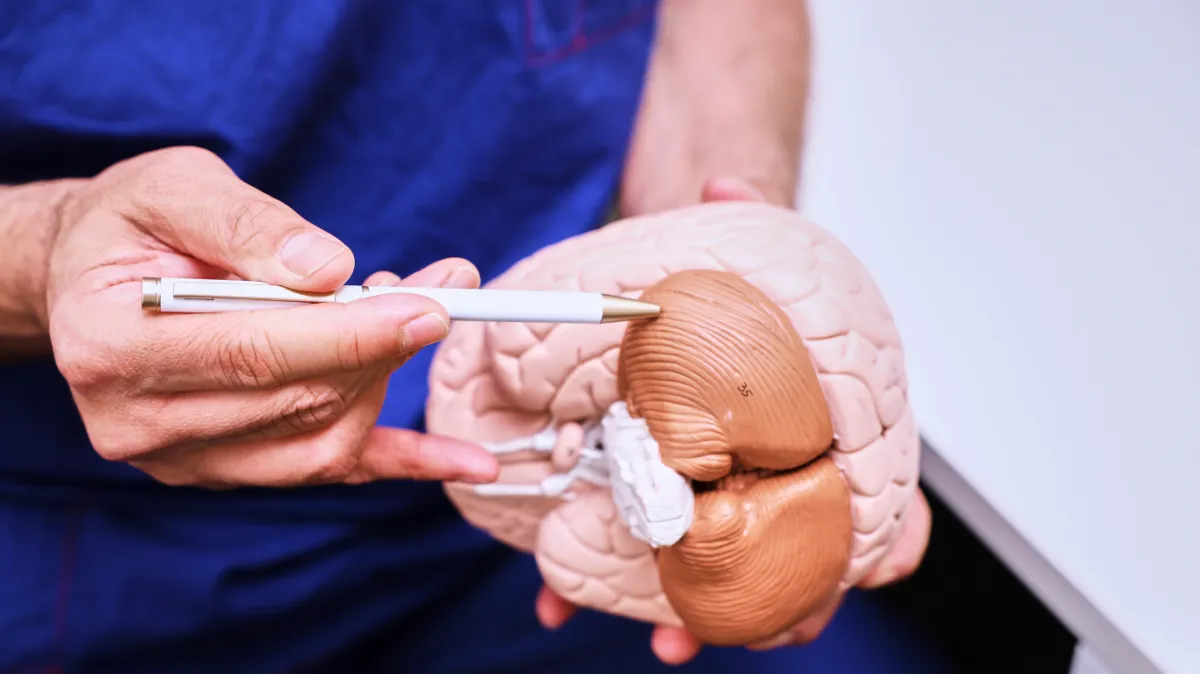

Procedure overview
A craniotomy is a common neurosurgical procedure performed under general anesthesia. It involves the temporary removal of a section of the skull, known as a bone flap, to gain access to the brain. This allows a neurosurgeon to resect (remove) benign or malignant tumors, relieve pressure, or obtain tissue biopsies. Once the procedure is complete, the bone flap is replaced.

Benefits
Surgical tumor removal, or resection, serves several vital purposes. Primarily, it reduces elevated pressure within the skull (intracranial pressure), which effectively relieves immediate symptoms like headaches, nausea, seizures, and difficulties with vision or speech. Furthermore, resection allows for a necessary biopsy to be obtained, aiding in accurate diagnosis and subsequent treatment planning. A key objective of the surgery is also the preservation of normal brain function.
Dr. Kamat utilizes advanced surgical techniques, such as awake craniotomy and intraoperative brain mapping, to ensure the precise removal of tumor tissue while safeguarding the critical brain regions that control movement and speech.

Risks to be aware of
A craniotomy and brain tumour resection carry significant risks, including but not limited to, stroke, infection, bleeding (hemorrhage), and seizures. Potential neurological deficits such as weakness, speech difficulties, or memory loss may also occur. While the majority of procedures are successful, the specific risks are greatly impacted by the size, location, and type of the tumour.

Recovery After Brain Surgery
Full recovery typically spans 6–12 weeks, with a hospital stay of 2–10 days. Patients commonly experience fatigue, headaches, and swelling. Most individuals can resume light daily routines within 4–6 weeks, though driving is usually advised after a minimum of 3 months.
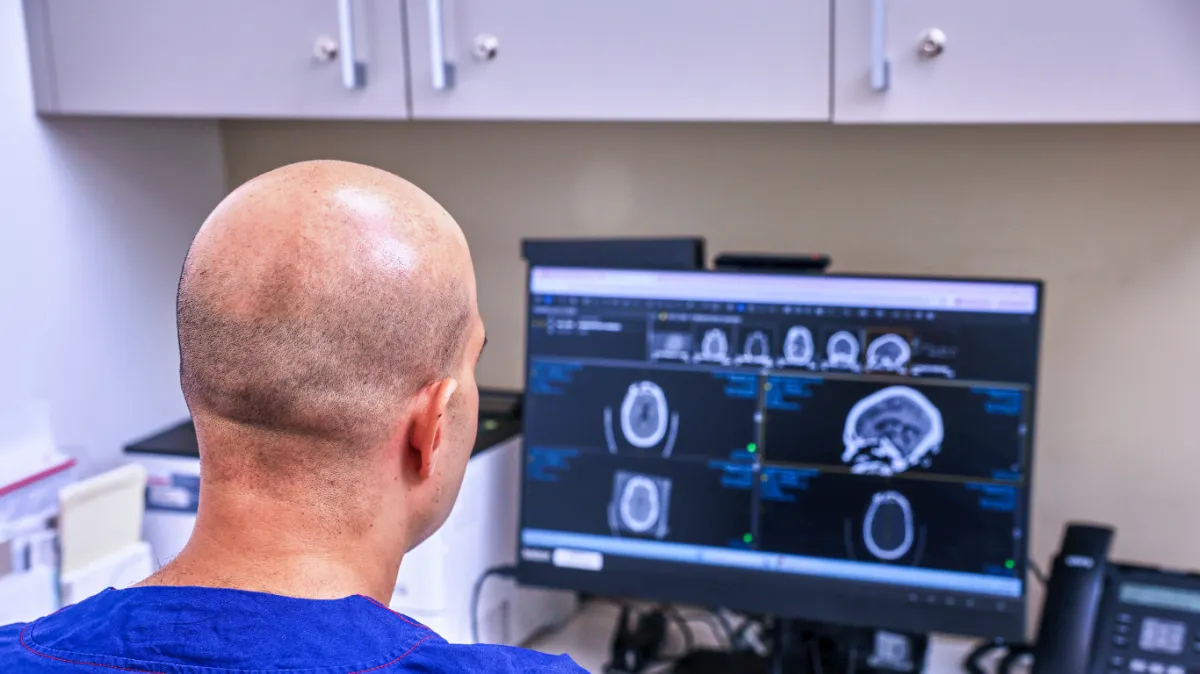
Ventriculoperitoneal shunt insertion
A surgically implanted drainage system that relieves hydrocephalus by redirecting excess cerebrospinal fluid from the brain to the abdomen.
Procedure overview
A Ventriculoperitoneal (VP) shunt is a flexible tube surgically implanted to treat hydrocephalus, a condition characterized by excess cerebrospinal fluid (CSF) in the brain. The shunt drains this surplus CSF from the brain's ventricles to the abdominal cavity, where it is safely absorbed by the body. The VP shunt placement procedure involves three main components: a ventricular catheter inserted into the brain, a valve placed typically behind the ear to regulate the CSF flow, and a distal catheter routed beneath the skin down to the abdomen.
Benefits
A ventriculoperitoneal shunt insertion offers several potential benefits:
Relief from Chronic Headaches: Properly functioning shunts often eliminate persistent headaches.
Enhanced Mobility and Balance: Many patients, especially older adults with Normal Pressure Hydrocephalus (NPH), see significant improvements in their ability to walk and maintain balance.
Cognitive Improvement: Shunting can help stabilize or reverse issues with memory, concentration, and general thinking abilities.
Improved Bladder Control: For patients suffering from NPH, the procedure frequently resolves or improves urinary incontinence.
Preservation and Improvement of Vision: By relieving pressure on the optic nerve, shunting can stabilize vision and prevent permanent visual damage.
Risks to be aware of
Potential risks include obstruction, malfunction (either under or over-drainage), hemorrhage, and infection, commonly caused by Staphylococcus.
Recovery After Brain Surgery
Patients typically require a hospital stay of 2-7 days. Full recovery is individual and can be expected several weeks to months after the procedure.
Additional Procedures
Dr Kamat's expertise in brain surgery
Beyond core procedures, Dr Kamat performs a range of specialised brain surgeries tailored to each patient's individual needs.
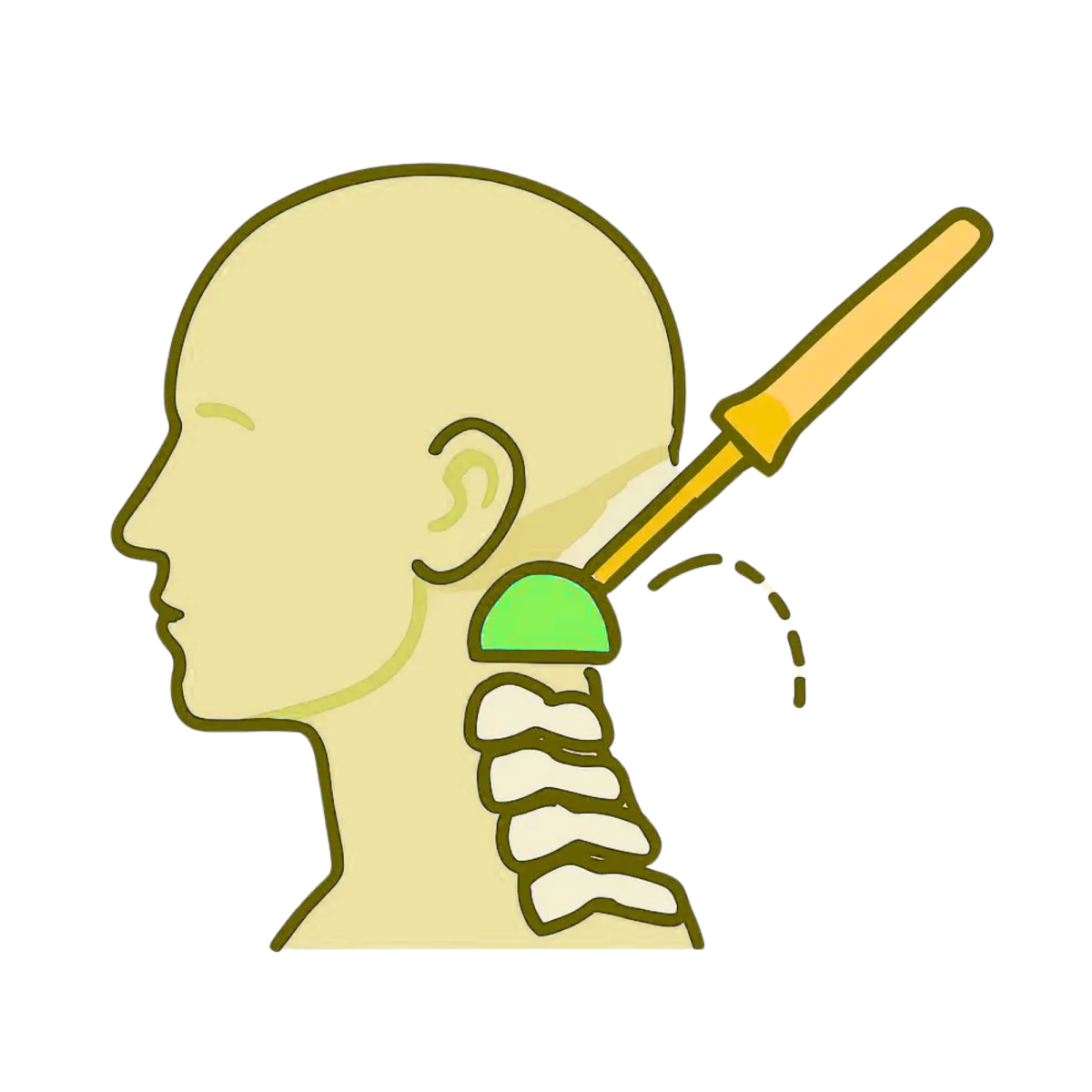
Foramen Magnum Decompression
Relieves pressure at the base of the skull and upper spinal canal, commonly performed for Chiari malformation.

Cranioplasty
Surgical repair or reconstruction of a skull defect, restoring the skull's natural contour and protecting the brain.
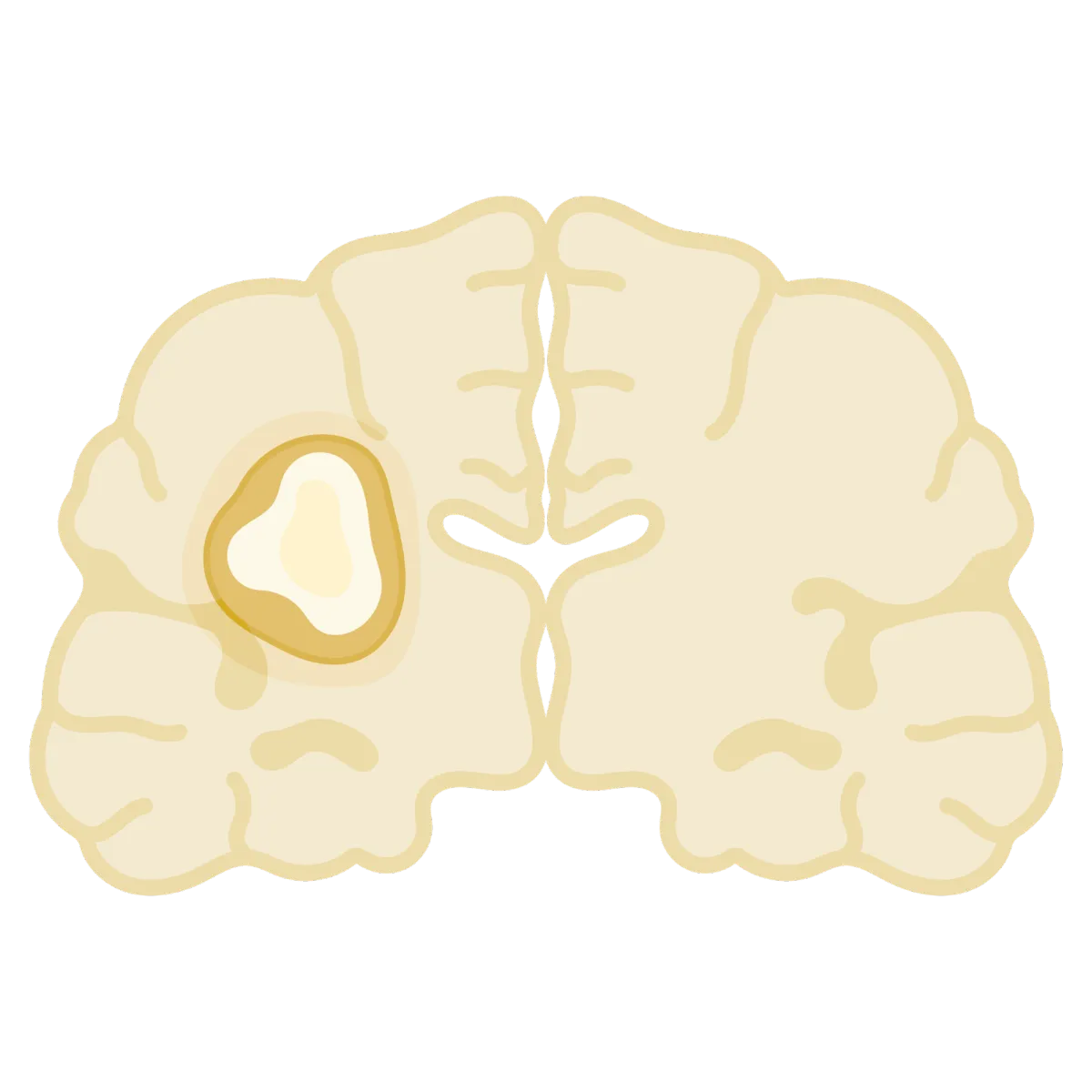
Burr hole evacuation of subdural hematoma
Minimally invasive drainage of blood collected between the brain and skull through small openings in the bone.
Have questions?
Dr Kamat's team is happy to help with any further information. Contact the team →
Frequently Asked Questions
When is brain surgery required?
Brain surgery, or neurosurgery, is needed to treat conditions that affect the brain's structure, function, or blood flow. These conditions can range from tumors, aneurysms, and severe traumatic injuries to hydrocephalus and epilepsy. The procedure may be essential for removing growths, controlling internal bleeding, easing high pressure within the skull, or managing chronic illnesses like Parkinson's disease and infections.
How safe is brain surgery today?
Brain surgery is now more precise than ever, thanks to continuous advancements in techniques and the use of cutting-edge technology. While any complex surgical procedure carries inherent risks, brain surgery remains a critical treatment for various life-threatening conditions. Dr. Kamat is committed to ensuring the highest degree of patient safety, doing everything possible to achieve successful patient outcomes, and enhancing both the longevity and quality of life for all patients.
Recovery After Brain Surgery: What to Expect
Recovery time varies significantly depending on the complexity of your procedure and your individual needs.
1. Hospital Stay: You can anticipate a hospital stay of 3 to 10 days.
2. Full Recovery: Full recovery typically takes between 6 and 12 weeks.
Dr. Kamat will partner with you to develop a successful recovery plan tailored to your specific circumstances and lifestyle.
What are some of the risks I should be aware of?
Brain surgery carries significant, potentially life-threatening risks, including:
1. Medical Complications: Infection, bleeding, wound issues, blood clots, stroke, seizures, and brain swelling.
2. Long-Term Effects: Cognitive impairment, memory loss, personality changes, and motor function difficulties (e.g., in speech, balance, or weakness). In some cases, repeat surgery may be warranted.
Dr. Kamat is committed to ensuring you are fully informed about the risks associated with your specific procedure and will take every necessary precaution to achieve a successful surgical outcome and recovery.
Will I need rehabilitation?
Rehabilitation is often a necessary part of the recovery process after brain surgery. This can begin while you are still in the hospital following your procedure and can continue once you return home. We will discuss your specific rehabilitation requirements with you in detail before your surgery.
Take the next step
Schedule a Consultation
with Dr. Kamat
Your care is our priority. Speak with Dr. Kamat to understand your options and feel confident about your path forward.

Dr. Ameya Kamat is a highly trained Australasian neurosurgeon specialising in brain, spine, and peripheral nerve conditions. He is committed to delivering patient-centred care, focusing on conservative and minimally invasive treatment options wherever possible before considering surgery.

Location
Suite D1, Holmesglen Private Hospital, 490 South Road, Moorabbin, Melbourne