
Minimally invasive spine procedures
Specialist care for brain, spine, and peripheral nerve conditions using patient-focused, minimally invasive, and advanced neurosurgical techniques.
0-1
Days hospital stay
4–6
Weeks to full recovery
2-7
Days Return to work
"Dr. Kamat is committed to ensuring the highest degree of patient safety — enhancing both the longevity and quality of life for all patients."
Radio Frequency Ablation (RFA)
A minimally invasive treatment using heat to provide long-term relief from chronic pain, typically lasting 9 to 18 months.
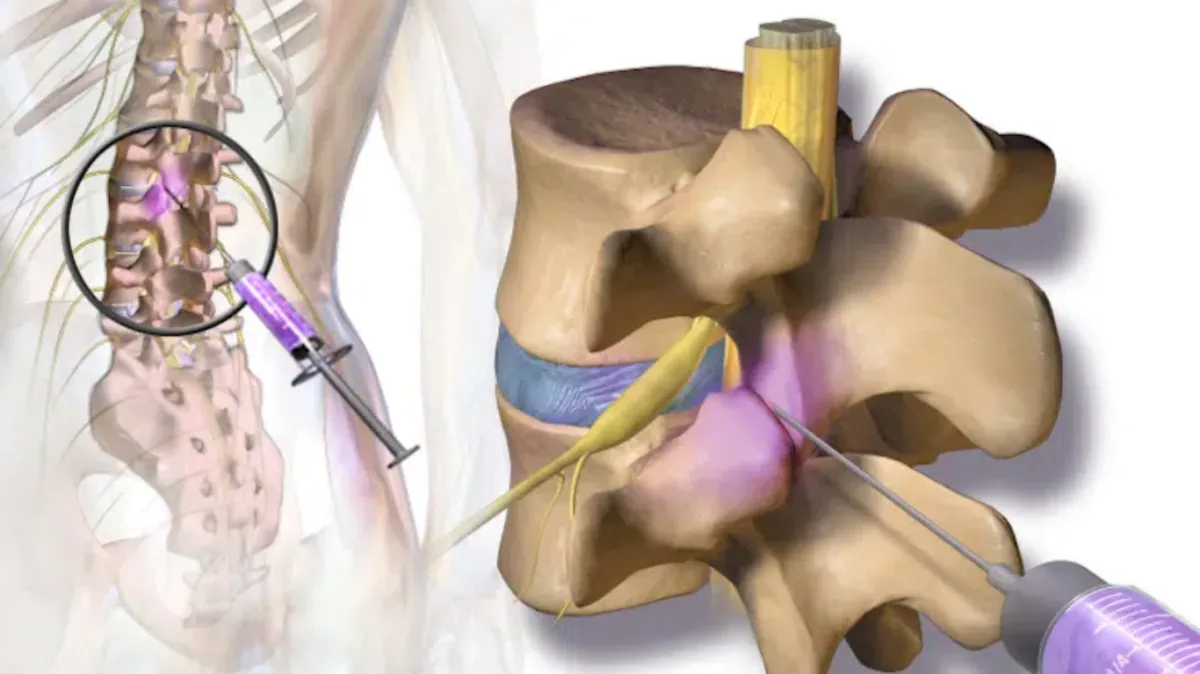

Procedure overview
Radiofrequency Ablation (RFA) is a non-surgical, minimally invasive procedure for treating chronic pain or destroying abnormal tissue like tumours or nerve fibres. This treatment uses heat generated by radio waves, which is delivered through a needle probe inserted under imaging guidance. RFA offers long-term pain relief, typically lasting from 9 to 18 months.

Benefits
Significant pain relief, typically ranging from 70% to 80%, is a key benefit. Patients often experience a faster recovery than with surgery, a decreased reliance on pain medication, and the assurance of high precision due to imaging guidance. These are day procedures.

Risks to be aware of
RFA is generally a safe procedure, though temporary side effects such as pain, bruising, or numbness at the injection site are possible risks.

Recovery after Minimally invasive spine
RFA recovery is typically fast, with most patients returning to daily routines within 24–72 hours. While injection site soreness may last 1–2 weeks, pain relief often begins within days, maximizes over 2–3 weeks, and typically lasts 9–18 months.

Pain Blocks
Precisely targeted injections that interrupt pain signals at the source, offering effective relief for a range of spinal and nerve-related conditions
Procedure overview
Pain blocks are focused injections aimed at interrupting pain signals from reaching the brain. These procedure involves precisely delivering anesthetic, steroid, or anti-inflammatory medication to a specific nerve or group of nerves, often referred to as a nerve block. Options include caudal blocks, epidural injections, paravertebral blocks, facet joint injections and nerve root injections. These injections are highly targeted and super-selective. These injections can take between 14 and 21 days to make an impact.
Benefits
Key Benefits of Pain Blocks:
Targeted Relief: Delivers medicine precisely where needed, stopping pain signals at the source, unlike systemic oral medications.
Reduced Opioid Reliance: Provides superior local pain control, significantly cutting the need for strong narcotics, thus avoiding side effects and addiction risk.
Faster Recovery: Patients wake up more alert than with general anesthesia, often leading to earlier physical therapy and hospital discharge.
Diagnostic Tool: Pinpoints the exact pain source. Immediate relief confirms the targeted nerve as the "pain generator," aiding future treatment (e.g., radiofrequency ablation).
Promotes Healing: Anti-inflammatory steroids reduce nerve swelling, providing time and environment for natural healing.
Risks to be aware of
Pain block procedures are generally safe. However, potential risks include infection, bleeding, allergic reactions, and nerve damage (which may result in lasting numbness or weakness).
Recovery after Minimally invasive spine
Pain block recovery is usually fast. After 15–60 minutes of monitoring, most patients resume normal activities within 1–3 days. Numbness typically fades within 6–36 hours. Some temporary soreness or increased pain may occur for 2–3 days as the anesthetic wears off and the therapeutic steroids activate.
Frequently Asked Questions
Is a RFA a surgical procedure?
Radiofrequency ablation (RFA) is a minimally invasive, non-surgical procedure. It is not considered traditional surgery. RFA works by using heat generated by radiofrequency waves to target and disable the nerves that are the source of chronic pain.
What symptoms suggest nerve compression?
Nerve compression, commonly referred to as a "pinched nerve" or entrapment neuropathy, arises when excessive pressure is placed on a nerve by surrounding structures like bone, cartilage, or muscle tissue. This disruption impairs the nerve's function, leading to sensory and motor symptoms such as pain, numbness, tingling, and weakness.
Are RFAs and Painblocks painful?
RFAs (Radiofrequency Ablation) and Painblocks are minimally invasive procedures used to achieve pain reduction. While highly effective, some patients might report mild discomfort both during and following the procedure.
How long does recovery take?
Following Radiofrequency Ablation (RFA) or a pain block procedure, you can expect a recovery period of 1–2 days of rest, with a return to your normal routine typically occurring within 24 - 48 hours.
Take the next step
Schedule a Consultation
with Dr. Kamat
Your care is our priority. Speak with Dr. Kamat to understand your options and feel confident about your path forward.

Dr. Ameya Kamat is a highly trained Australasian neurosurgeon specialising in brain, spine, and peripheral nerve conditions. He is committed to delivering patient-centred care, focusing on conservative and minimally invasive treatment options wherever possible before considering surgery.

Location
Suite D1, Holmesglen Private Hospital, 490 South Road, Moorabbin, Melbourne