
Spine Surgery
Specialist care for brain, spine, and peripheral nerve conditions using patient-focused, minimally invasive, and advanced neurosurgical techniques.
1-7
Days hospital stay
6–12
Weeks to full recovery
4-12
Weeks Return to work
"Dr. Kamat is committed to ensuring the highest degree of patient safety — enhancing both the longevity and quality of life for all patients."
Laminectomy
Also known as decompression surgery — a procedure to relieve pressure on the spinal cord or nerves.
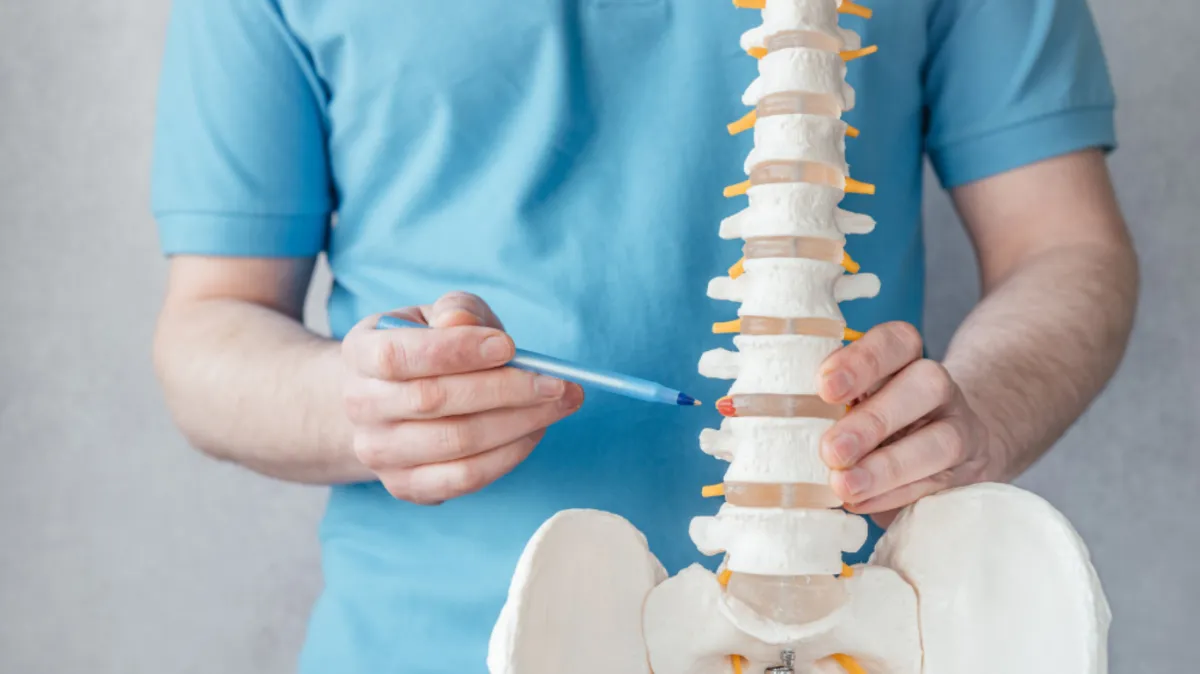

Procedure overview
A laminectomy is a surgical operation focused on the spine. It involves the removal of the lamina, which is the back section of a vertebra, to alleviate pressure on the spinal cord or nerves. This procedure is frequently employed to manage severe sciatica or spinal stenosis. By widening the space within the spinal canal, a laminectomy successfully reduces associated pain, numbness, and weakness that may occur in the arms or legs. The procedure takes approximately one hour to complete depending on the number of levels performed. It is performed using a high powered operating microscope.

Benefits
A laminectomy, also known as decompression surgery, is highly effective for relieving pressure on the spinal cord or nerve roots by removing the posterior section of a vertebra. This procedure yields significant benefits, most notably providing immediate relief from radiating pain in the leg or arm (radiculopathy). Patients typically experience improved mobility, the ability to walk longer distances, and an overall enhancement in their quality of life, with a strong success rate of 70–80% of patients reporting substantial symptom improvement.

Risks to be aware of
A Laminectomy is generally considered safe, however, as with all surgical procedures, there are associated risks. These potential risks may include:
Infection
Bleeding
Wound issues
Nerve injury
Spinal fluid leaks
Blood clots (Deep Vein Thrombosis - DVT)
Anaesthetic issues
Failure to relieve pain
While uncommon, complications can occur. Some patients may experience a recurrence of symptoms or require additional surgery.

Recovery After Spine Surgery
Most patients experience significant improvement within 4–6 weeks following a laminectomy, though full recovery to unrestricted activity typically takes 6 to 12 weeks.
Hospital stays are usually brief, often just 1–2 days or even same-day discharge, with light walking encouraged immediately. While pain relief is often felt quickly, the complete healing of soft tissues and nerves requires several months.
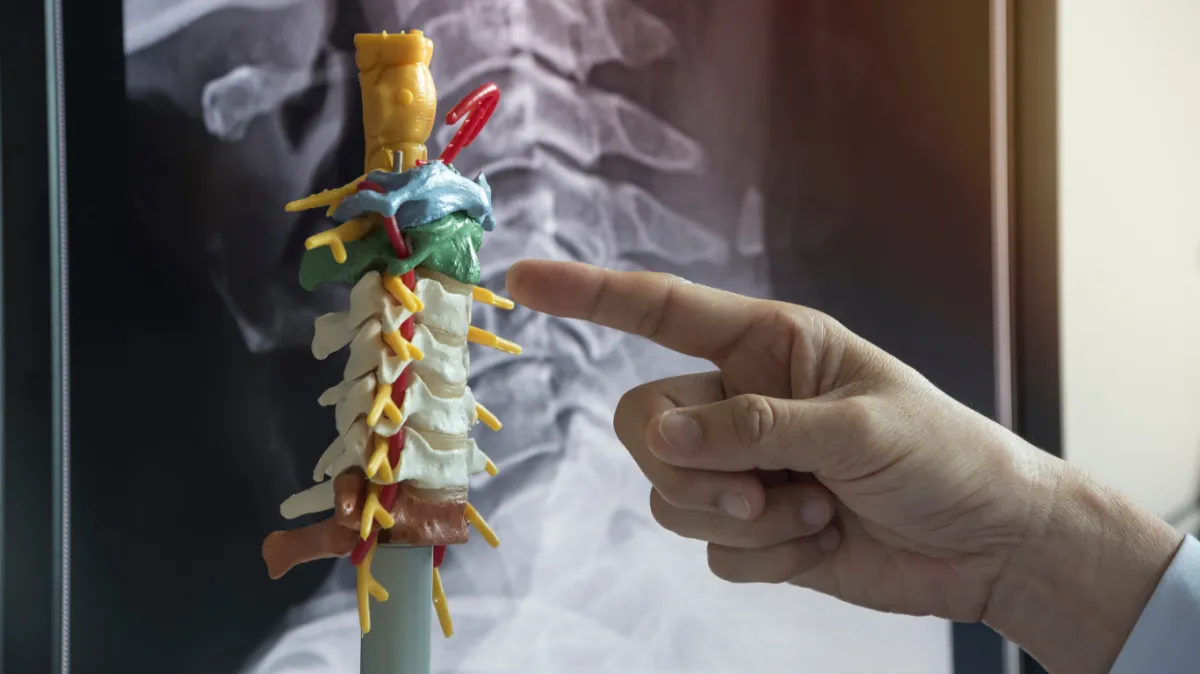
Anterior Cervical Discectomy (ACDF) and Fusion/Disc Replacement
Two surgical options for neck and arm pain from herniated or degenerative cervical discs, performed through the front of the neck using a microscope.
Procedure overview
Anterior Cervical Discectomy and Fusion (ACDF) and Anterior Cervical Discectomy and Total Disc Replacement (TDR)
ACDF and TDR are surgical options for patients experiencing severe neck and arm pain caused by herniated or degenerative discs. Both procedures are performed through an incision at the front of the neck.
ACDF involves removing the damaged disc and fusing the two adjacent vertebrae, preventing movement at that segment.
TDR removes the damaged disc and replaces it with an artificial disc, which is designed to preserve motion in the neck. This is also known as a disc arthroplasty.
They are performed using a high powered operating microscope.
Both surgeries typically yield high success rates. Recovery generally spans several weeks, although the healing process for ACDF (fusion) is usually longer than for TDR.
Benefits
Both treatments are effective for neck pain and nerve compression, boasting high success rates (85%-95%) in alleviating radiculopathy. A key difference is that Anterior Cervical Discectomy and Fusion (ACDF) stabilises the spine through vertebral fusion, whereas Total Disc Replacement (TDR) maintains motion. This preservation of motion with TDR often contributes to a quicker recovery and a reduced risk of adjacent segment disease.
Risks to be aware of
While generally safe, Anterior Cervical Discectomy and Fusion (ACDF) and Disc Replacement procedures do carry potential risks. These common risks include infection, bleeding, nerve injury, hoarseness and difficulty swallowing (dysphagia).
Specific to ACDF, there is a risk of "adjacent segment disease" (accelerated wear-and-tear on the discs next to the fused segment) and the possibility of the fusion failing to occur (pseudarthrosis). The risk of adjacent segment disease is lower in TDR.
Recovery After Spine Surgery
Recovery from Anterior Cervical Discectomy and Fusion (ACDF) involves an initial healing period of about 6–8 weeks, with complete bone fusion typically taking 3–6 months
In contrast, Total Disc Replacement (TDR) generally allows for a faster recovery, often within 3–5 weeks. This is because TDR maintains neck mobility and doesn't require waiting for bone fusion to occur.
Most patients undergoing either procedure can typically return home within 1–2 days.
Additional Procedures
Dr. Kamat's expertise extends further
Beyond the procedures above, Dr Kamat performs a range of additional spine surgeries tailored to each patient's needs.
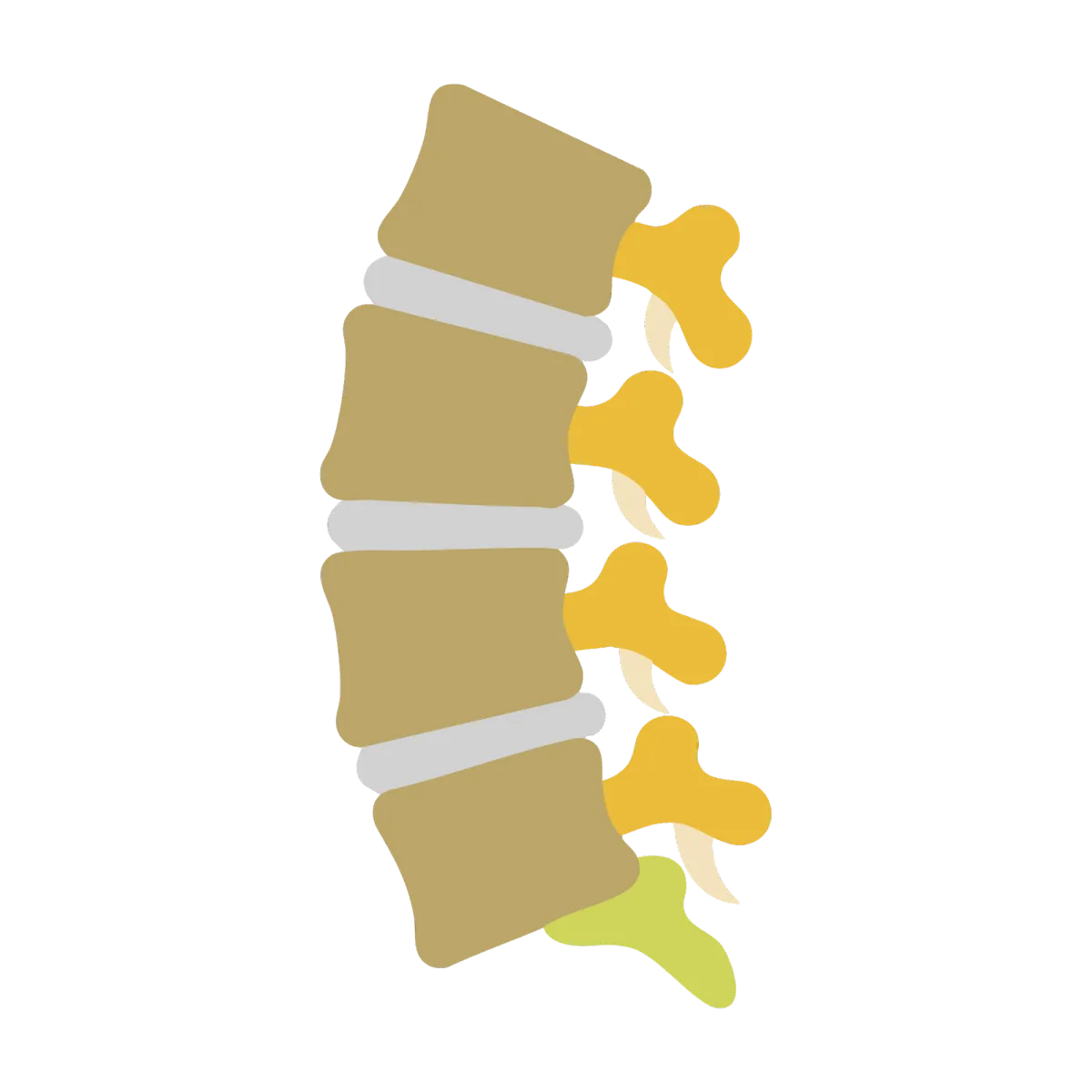
Anterior lumbar interbody fusion
A fusion procedure accessed through the front of the abdomen to stabilise the lower spine.

Posterior Spinal Fusion
A fusion procedure accessed through the front of the abdomen to stabilise the lower spine.
Have Questions?
Dr Kamat's team is happy to help with any further information. Contact the team →
Frequently Asked Questions
When should I consider spine surgery?
Spine surgery is typically reserved for cases where conservative treatments - such as physical therapy, medication, and injections—have failed to provide relief after 6 to 12 weeks. It is also considered when pain is debilitating, or when severe nerve compression leads to concerning symptoms like weakness, numbness, or loss of bowel/bladder control.
Surgery is generally most effective for treating radicular pain (pain that radiates down the arms or legs) caused by conditions such as herniated discs, spinal stenosis, spondylolisthesis, or spinal instability.
How long will it take me to recover from spine surgery?
Spine surgery recovery times are highly variable, ranging from 4–6 weeks for resuming light activities to a complete recovery taking anywhere from 3 to 12 months. The specific procedure significantly impacts this timeline; for example, smaller, minimally invasive operations, such as a microdiscectomy, typically have a quicker healing period than major procedures like spine fusions. Furthermore, an individual's level of fitness and overall health prior to surgery also plays a crucial role in the recovery process.
Will I need physiotherapy after surgery?
Yes, Physiotherapy and possibly Hydrotherapy or Clinical Pilates is almost always necessary after spine surgery, as it is a crucial component of recovery. Rehabilitation typically begins with gentle movement and light mobility exercises while still in the hospital. The focus then shifts to a structured, tailored program designed to strengthen your back and core. Early recovery (the first 0-6 weeks) emphasizes safe movement and walking. More intensive, formal rehabilitation to fully restore function usually commences around 4–6 weeks post-surgery.
What risks should I be aware of if considering spine surgery?
Spine surgery, like all surgical procedures, carries certain risks. These risks include common complications such as nerve injury, infection, dural tears (spinal fluid leaks), and the formation of blood clots (Deep Vein Thrombosis or DVT).
Although major complications are rare, they can occur and include paralysis, cardiovascular events (like stroke or heart attack), or failure of the fusion (non-union).
Additionally, patients may experience long-term issues such as persistent pain, adjacent segment disease (wear and tear on the level above or below the fused area), or recurrent disc herniation (re-herniation).
Is surgery my only option to address my spine issues?
Surgery is rarely the only solution for spine issues. In fact, over 90% of spine problems can be treated successfully without an operation. Dr. Kamat generally recommends conservative, non-surgical approaches initially, which may include physical therapy, exercise, medication, and targeted injections. These methods often lead to significant pain relief and improved mobility. However, every treatment plan is tailored to the individual patient's specific symptoms.
How soon can I return to work?
The timeline for your return to work is based on several factors: the nature of your surgery, your individual recovery progress, and the physical demands of your job.
Typically, individuals in low-impact, office-based roles can return to light duties within 2–4 weeks. However, for more physically demanding occupations, a return to work may take 8–12 weeks.
In some circumstances, your return may be delayed beyond these timeframes. Dr Kamat is committed to working closely with you to ensure all decisions prioritise your health and wellbeing.
Take the next step
Schedule a Consultation
with Dr. Kamat
Your care is our priority. Speak with Dr. Kamat to understand your options and feel confident about your path forward.

Dr. Ameya Kamat is a highly trained Australasian neurosurgeon specialising in brain, spine, and peripheral nerve conditions. He is committed to delivering patient-centred care, focusing on conservative and minimally invasive treatment options wherever possible before considering surgery.

Location
Suite D1, Holmesglen Private Hospital, 490 South Road, Moorabbin, Melbourne